
"Myanmar coffee roots"
32 article(s) found
The difference between Yunnan Ironpika Coffee Bean and Katim Flavor in Typica
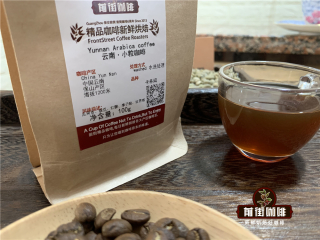
Yunnan small-grain coffee Yunnan small-grain coffee, Rubiaceae, coffee genus, the planting area is mainly distributed in Lincang, Baoshan, Simao, Xishuangbanna, Dehong and other states. Small grains of coffee are native to Ethiopia or Arabian Peninsula. The main producing area of small grain coffee is suitable to grow in the mountains with an altitude of 800 to 1800 meters above sea level, if the altitude is too high.

What is the variety of Yunnan small-grain coffee beans? taste characteristics of Yunnan Hongmi Katim hand-brewed coffee
Professional coffee knowledge exchange more coffee bean information please follow the coffee workshop (Wechat official account cafe_style) when talking about Yunnan coffee, is it a kind of contempt for everyone? Yunnan coffee has developed well in recent years, and it has become more standardized, with a full range of varieties, sun drying, shade drying, honey treatment, high altitude, yellow bourbon, and so on.
How to tell the robusta coffee beans? What does Luo Dou look like?
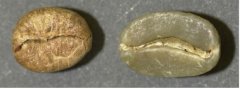
The first chapter of the Coffee Taste Collection, the basic knowledge of coffee beans, the first section, the three native species of coffee. 2. Robusta species (scientific name Coffee Robusta Linden). P8 (Note p8, which indicates page 8, is annotated in many places). Robusta coffee beans are generally used for instant solution because they extract twice as much coffee liquid as Arabica. Caffeine content 3

Chinese Coffee Development Agricultural Research Institutes promote Chinese Coffee
At this point, the author's mood is agitated and dignified. Today, when Chinese coffee, especially Yunnan small-grain coffee, has developed to large-scale industrialization through the persistent cultivation of several generations of Chinese mainland and after several ups and downs, it is not easy to be rated as a first-class product by the International Coffee Organization (ICO). The author believes that Yunnan small-grain coffee can quickly rise in Chinese mainland and China's agricultural scientific research.
Yunnan small Coffee, known as "fragrant Coffee", introduces the characteristics of Alpine Arabica Coffee producing areas in Yunnan, China
Coffee is a kind of beverage crop with high economic value, which is called the three largest beverages in the world together with cocoa and tea, and its output and consumption ranks first among the three beverages. Coffee is rich in protein, fat, sucrose, starch, glucose, caffeine and other substances, rich aroma and delicious taste. Coffee belongs to the family Rubiaceae.
Introduction to the main taste characteristics of Yunnan small-grain coffee beans grown in Yunnan
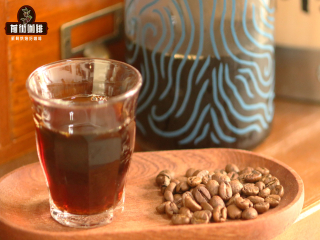
Professional coffee knowledge exchange more coffee bean information please follow the coffee workshop (Wechat official account cafe_style) Yunnan small-grain coffee, Rubiaceae, coffee genus, planting areas are mainly distributed in Lincang, Baoshan, Simao, Xishuangbanna, Dehong and other states. Small grains of coffee are native to Ethiopia or Arabian Peninsula. Master
How many years does it take for a coffee tree in Yunnan from planting to fruiting? how much can a coffee tree produce in a year?
How many years does it take for a coffee tree from planting to fruiting-the first flowering period of a coffee tree is about three years old, with white five-petal tube-shaped flowers and a faint scent of jasmine. The inflorescences are dense and arranged in clusters. Flowers wither after two or three days of blooming and begin to bear fruit after a few months. The fruit is a drupe, about 1.5% in diameter.
Introduction to the flavor and taste of Yunnan small grain coffee the characteristics of iron pickup coffee in manor producing area
Typica and Bourbon, two classic high-quality coffee varieties, are the main coffee varieties in Yunnan. In 1991, Katimo Catimor series varieties were introduced from Kenya (with stronger anti-virus ability and higher yield). Arabian species (also known as small grain species)

History of spread of Iron pickup Coffee Bean varieties difference in flavor and taste of hand-made flavor of Lanshan coffee varieties treated by washing and sunburn
Of course, if iron pickup coffee is used to make instant coffee or general commercial beans, high-yielding catimor is a good choice, but if you want to look for Yunnan specialtycoffee, then the old variety iron pickup will become the first because of its congenital good genes.

History of introduction and expansion of Coffee in early China (5)
1. From the first peak period of the development of China's coffee industry (1952-1961) to the late 1940s, according to recorded figures, there are 2173.33 hectares of rubber plantations in Hainan Island, with a total of 867600 rubber trees, with an annual output of 199,000 tons of dry rubber, and more than 300,000 coffee plants. the annual output of coffee beans is 1 ton. According to a survey in the early 1950s, there was a large amount of coffee left in Fushan area of Chengmai County, with a total of 70,000.

Coffee planting History of Coffee introduction and expansion in China in the early stage (5)
1. From the first peak period of the development of China's coffee industry (1952-1961) to the late 1940s, according to recorded figures, there are 2173.33 hectares of rubber plantations in Hainan Island, with a total of 867600 rubber trees, with an annual output of 199,000 tons of dry rubber, and more than 300,000 coffee plants. the annual output of coffee beans is 1 ton. According to a survey in the early 1950s, there was a large amount of coffee left in Fushan area of Chengmai County, with a total of 70,000.
The History of Coffee introduction and expansion in China in the early stage (5)
1. From the first peak period of the development of China's coffee industry (1952-1961) to the late 1940s, according to recorded figures, there are 2173.33 hectares of rubber plantations in Hainan Island, with a total of 867600 rubber trees, with an annual output of 199,000 tons of dry rubber, and more than 300,000 coffee plants. the annual output of coffee beans is 1 ton. According to a survey in the early 1950s, there was a large amount of coffee left in Fushan area of Chengmai County, with a total of 70,000.